
Be the Changemaker
Meet Dr. Amanda Mason, veterinary business owner

“Choose the bigger life.”- Gretchen Rubin
In veterinary medicine, we are rewarded for our capacity to suffer. We are taught early on in the training process to grind out long hours studying and to spend late nights in the anatomy lab. This process carries over into long days and overnight shifts in our clinical year. If one hopes to pursue specialty certification, then gratification is further delayed through internship and residency, which often are breeding grounds for sleepless nights, 24/7 on call, and minimal if any time off. Our capacity to suffer is high because the rewards at the end of the tunnel loom brightly.
But what happens if we reach the end of the training tunnel and find we are still living in the grind? At what point do we tip the scale on our capacity to suffer and find the courage to change? That change may need to be in ourselves, in our jobs, or in our personal lives. And it can be so very hard to say yes to.
The courage to change and to say yes to a life that is aligned with our values and our long term happiness is a tough skill to learn. Yet when we can embrace the discomfort of uncertainty, doors will often open that we had no idea even existed. I’ve said it before, and I truly believe, there is magic in embracing this discomfort. There is limitless potential in finding the courage to change. Imagine the adventures that await us when we are brave enough to take even a small step in a new direction.
Today we meet a courageous woman who was tired of living in her capacity to suffer. She found the courage to change and said yes to a new career adventure. In doing so, she has positively impacted the lives of countless patients and simultaneously found personal contentment. I have the privilege of sharing with you the story of veterinarian and business owner, Dr. Amanda Mason.
Dr. Amanda Mason has turned her vision into reality and recently opened her own emergency veterinary hospital. She shares with us a bit of her journey to this point and what her practice looks like now.
I’m originally from Florida but have lived in Western Washington for the past 5 years and absolutely love living here. I graduated from Texas A&M Veterinary School in 2020 - a terrible time to start a career with COVID ramping up - but jumped headfirst into small animal emergency medicine, which had its ups and downs. I have worked as an associate emergency veterinarian for three different specialty/ERs and more recently worked as a traveling relief veterinarian for emergency, general practice, and urgent cares all over Western Washington - many of which were corporations like the ones I worked for full time.
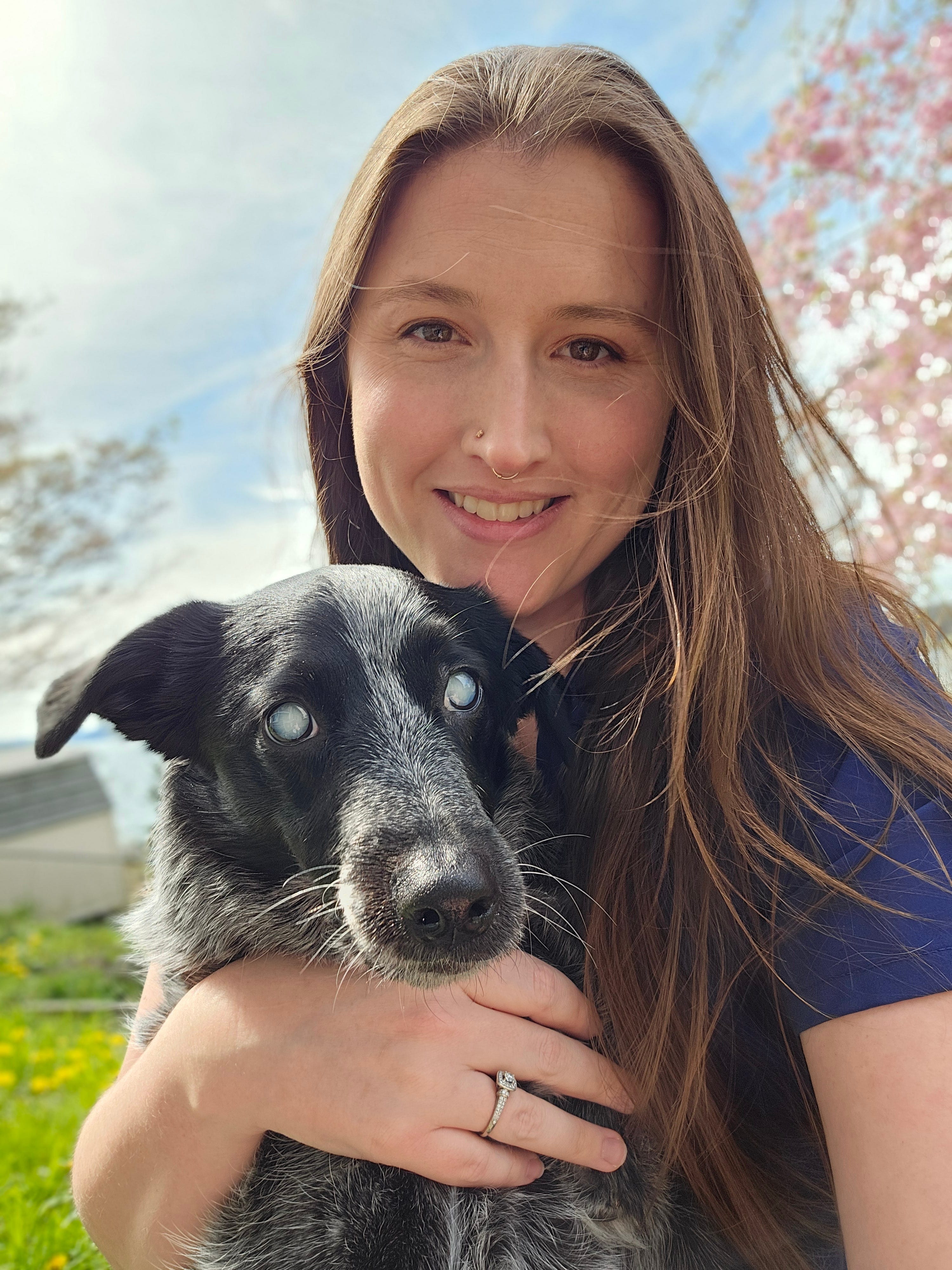
In June of this year I opened Peninsula Pet Emergency in Sequim, WA. It is a single doctor practice open overnights Friday, Saturday, & Sunday. We are the only emergency veterinary service in the Olympic Peninsula, with many being over an hour drive away from the next closest ER. So far we have been very busy, seeing nearly 500 patients in less than 5 months (which is quite a bit for one doctor in a rural area). The community support and excitement around us being open has been incredible. We have been able to expand our staff from a team of two to a team of five employees with several more coming by regularly on relief. We have been profitable by the second month of operation and it is going really well.
Like myself and so many other veterinarians, Amanda faced burnout early in her career. There are a myriad of ways to address burnout, and if we’re lucky, we might even find a way to stay in the field. Sometimes, it feels like the universe hands us the answer…
I worked my entire life to become a veterinarian - literally since I decided I wanted to be a vet when I was 11 years old. Volunteering, internships, externships, veterinary support staff jobs, veterinary school - I wasn’t qualified to do anything else. So when I finally achieved my goal and ended up burned out in less than a year into my career, it was devastating. I tried different hospitals and even tried being a free agent, doing relief for nearly 2 years. I still found myself working for the same corporations, with many of my clients priced out of basic care for their pets.
I’ve lived in this area for the past 5 years and was familiar with the lack of emergency care on the Olympic Peninsula, having worked in all of the closest ER facilities to them. I was approached by a local community action group, Pet Emergency Group, that has been lobbying to bring emergency veterinary care to the Peninsula for years. I never expected to own my own business, but it was the right time for me to initiate a change in my career - to try and “find the joy” again. I want to live on the Peninsula and I’m passionate about providing accessible emergency care to clients of all backgrounds. It was just a perfect fit. I was literally in the right place at the right time; it all just fell into place.
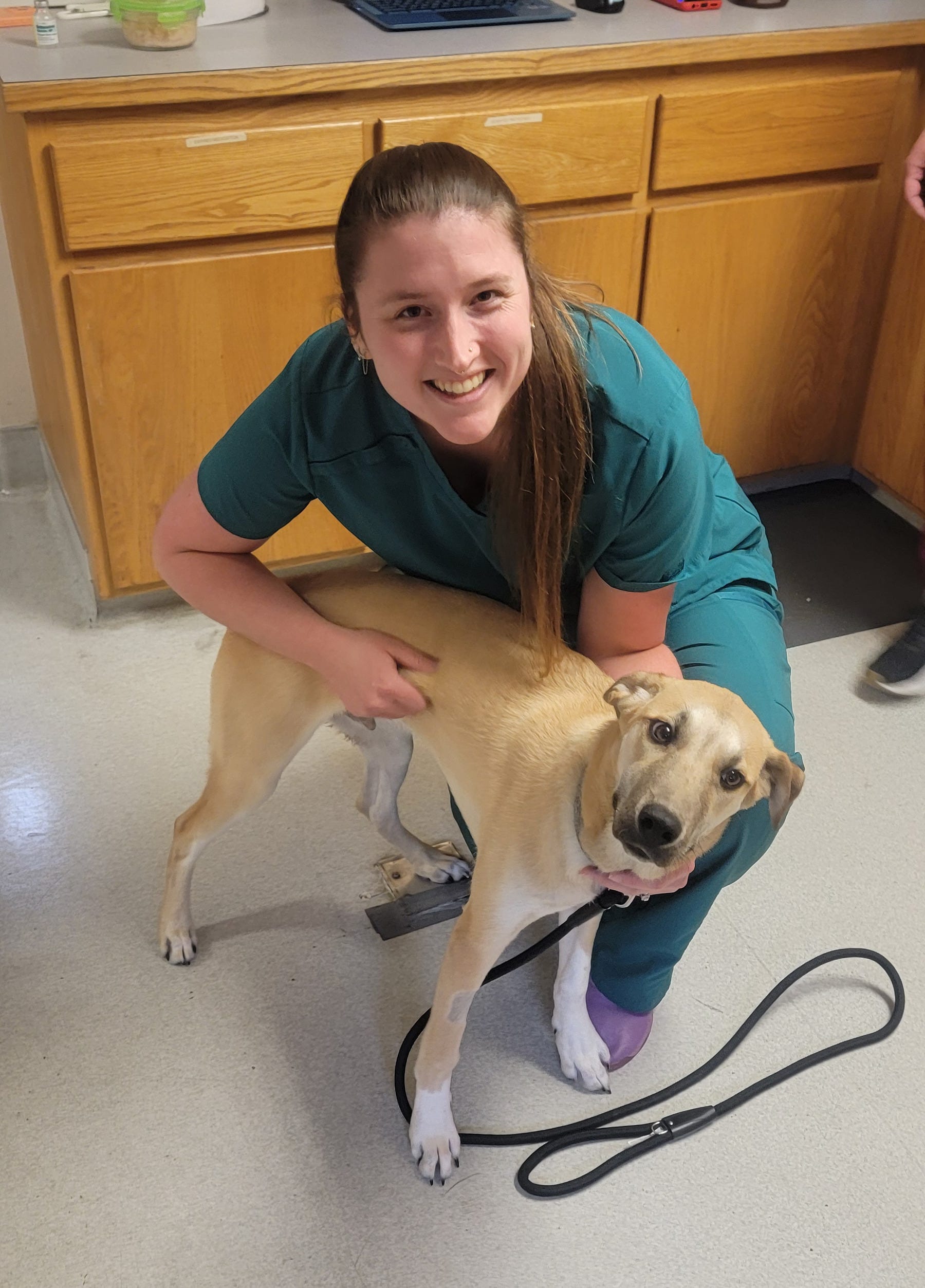
Veterinarians are trained in medicine, not business. I always admire those who can make the leap to business ownership (and entrepreneurship in Amanda’s case!). I wanted to know how she tactically went about building her business.
I created my own business for relief services nearly 2 years ago, traveling around Western Washington filling in at hospitals with need for coverage. This was very lucrative financially for me, and I diligently saved as much as possible to have a safety net and some startup funding for opening my own hospital (which I had realized I was going to do about a year into this endeavor).
I was very fortunate to be connected with a local veterinarian who owns a private general practice in Sequim who offered to lease her hospital space and equipment for me to use after hours. This provided a unique opportunity for me to be able to start a hospital with little upfront cost. Many need to take out a $500k-1M+ business loan to open a hospital. I used $30k of my own savings to purchase all of my supplies, software, and some special equipment that was not already present in the hospital I lease. My rent is reasonable and by the 6 week mark I was able to pay myself back for my startup investment and I’m in the black.
Being open to unorthodox methods and relying on networking with the community allowed me to find a perfect avenue to try out an untested business. We all assumed there would be business, but there has not been a dedicated brick and mortar emergency practice in this location at all. With little risk, I was able to take a chance and open a practice, which has been rather successful both financially and in the obvious impact we are having in the community.
Financial concerns can be a big inhibitor to someone wanting to make a change in their lives. Amanda prepared financially as best as possible before making the transition.
In the veterinary field, we are lucky that our profession is in high demand. I was lucky to be able to use relief work as a way to make a significant amount of money quickly. I do still have student loans that I’m paying back, and a family that I am the primary financial support for. I focused on saving as much as possible to ensure I had a year’s worth of bills covered in case the business was lagging. I also planned to keep doing relief if needed to supplement my income (I did still do some relief shifts the first few months of me being open).
I think the main thing that anyone should consider when making this change is that you need to be able to give 1000% to your business. What I lacked in money I made up for in sheer willpower to make this work.
The first few months I was working nearly 60 hours each weekend (sleeping 30 mins to an hour each day on the floor in the hospital). During the week I was also spending about 4-8 hrs a day doing administrative tasks. This is not a healthy long term option, but I did whatever I had to in order to make this a success. Now as we are approaching month five, I have more staff to help me and it is rare for me to work more than 45 hrs in a weekend. Money is obviously important in a startup, but I believe that dedication and drive can help fill in some of those gaps.
Every adventure has its challenges. In tackling this new business, Amanda faced personal limiting beliefs and external barriers. And, as seasoned adventurers do, she developed techniques to handle these fears.
I never felt like I would ever be a business owner. I’m the first person in my family to go to college. Becoming a professional was already something I wasn’t familiar with; being a business owner was even more foreign. I have no formal education with business ownership/management. In vet school it also kind of felt like we were being prepared for our career in corporate medicine (with all of the sponsorships and the general hold corporations have on veterinary medicine). I have also only been a veterinarian for 5 years, so rather young in my career to own a business.
All of these factors contributed to me feeling like this was a crazy endeavor and my fear of failure was high. Working in corporate medicine, I was also frequently told that my expectations of my career were too high, that I was too critical of myself and others when I questioned the quality of care we were providing to patients. Candidly, I was frequently gaslit to believe that this was just how being a veterinarian is - overworked, undersupported, and underappreciated.
Eventually I just got tired of the same experience/different hospital. I figured if I’m going to stay in this career long term, I need to take a chance on creating my “dream job” myself.
I wanted to create a place to work where everyone is treated like a human being, valued for their contributions to the team, and where we can provide quality care at accessible prices to people of all backgrounds. I think I’ve done that.
To me, mindset is one of the most important aspects in dealing with any setbacks or failures. And sometimes we need to seek professional help to develop the mindset that helps us succeed.
It sounds cliche to say “think positively”, and toxic positivity is a real thing, especially in veterinary medicine, but intentions and mindset are very important in a process like this. The first few years of my veterinary career were negative ones and I spent some time in therapy rearranging how I viewed the world and how I viewed things that were challenging to me. I now feel more comfortable knowing that no matter what happens, I will get through it. I can do hard things. I’ve had plenty of things not go according to plan, and I still made it to the other side.
Looking at this venture I told myself - “You can do anything for 1 year” - this is how I got through other jobs I had that were not a good fit for me. If this turns out to not be what I thought it would be or I can’t sustain the practice, then I will give it 1 year of my life and know that I did everything I could to make it work. I can then move on knowing that I tried if things don’t work out the way I had hoped. Luckily it doesn’t look like it will be the case based on my experience so far.
It’s ok to be afraid of failure, but don’t let that keep you from trying. Failure is a natural and necessary part of life if you ever plan on growing. I guess you could say that I “failed” at being an associate veterinarian. But now I am thriving as a practice owner.
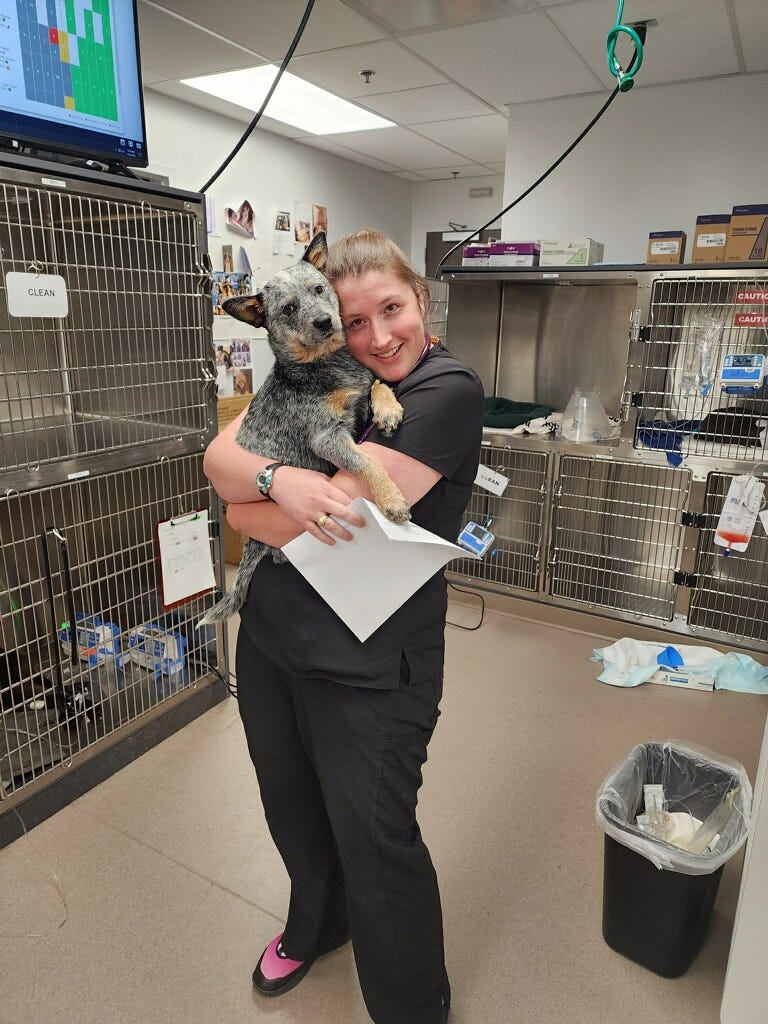
Often, we start on these big adventures hoping to discover new experiences and obtain depth of knowledge. We don’t always bargain for how much these adventures can teach us about ourselves.
I have learned that I am capable of so much more than I thought. I used to think that I had experienced the hardest, longest, most terrible shifts of my life. Then I opened my own practice and worked for over 23 straight hours without stopping, slept on the floor for 45 minutes, and got up and did it again. When it is your “baby” you find the will to keep moving that I’ve never experienced before.
Despite how incredibly hard I have worked and how exhausted I am, I have the most job satisfaction I have ever had. I get to see every day the difference I am making in this community in a way that I didn’t have in the larger corporate practices I was working in. My prices are more accessible than those hospitals and I have more people saying “yes” to treatments, which means I get to help more pets (and believe it or not, I can still make a profit!).
I feel more confident in myself and what I am able to do, which has made me less afraid of the “what ifs”. It has only been 4.5 months and I almost can’t remember who I was before I started. My life is so different now in a lot of ways (some good, some not so great), but I can’t really see myself ever going back to the way it was before.
Nothing we do happens within a vacuum. We need resources, community and mentors to make the dream possible.
So many people were involved in this process (whether they knew it or not). Networking, connecting, and seeking help/support everywhere I could were all the reasons why this was a success.
The previous owner of the first hospital I worked for was a key role model for me as an ER veterinarian. He built a hospital that served a community well for 30 years before it transitioned to a corporate practice. He is a good human who valued his employees, was involved in his community, and understood the scale and scope of his practice well. He was a great mentor for me medically in my first few months in the practice, and then after we both parted from the hospital he was still there for me when I needed some advice. He was actually the one who introduced me to the leader of the Pet Emergency Group, a local public action group who was lobbying to bring ER services to the Olympic Peninsula.
This group had worked years to try and find a way to provide access to emergency care to the pets on the Peninsula. They had a large network of community members and local veterinarians who have been so helpful in finding ways to support the hospital. They were how I found the hospital I am renting, have been instrumental in informing the community of my presence, and continue to help in any way I need when looking for staffing, housing, and considering expansion efforts.
Additionally, I am so lucky to have a husband who has been right by my side doing everything he can to help me make this dream possible. He jumped head first into becoming a full time veterinary assistant (and whatever else the hospital needed) to support me in building this hospital and he has done so well. It really takes a village, and I’m so lucky that I have one behind me.
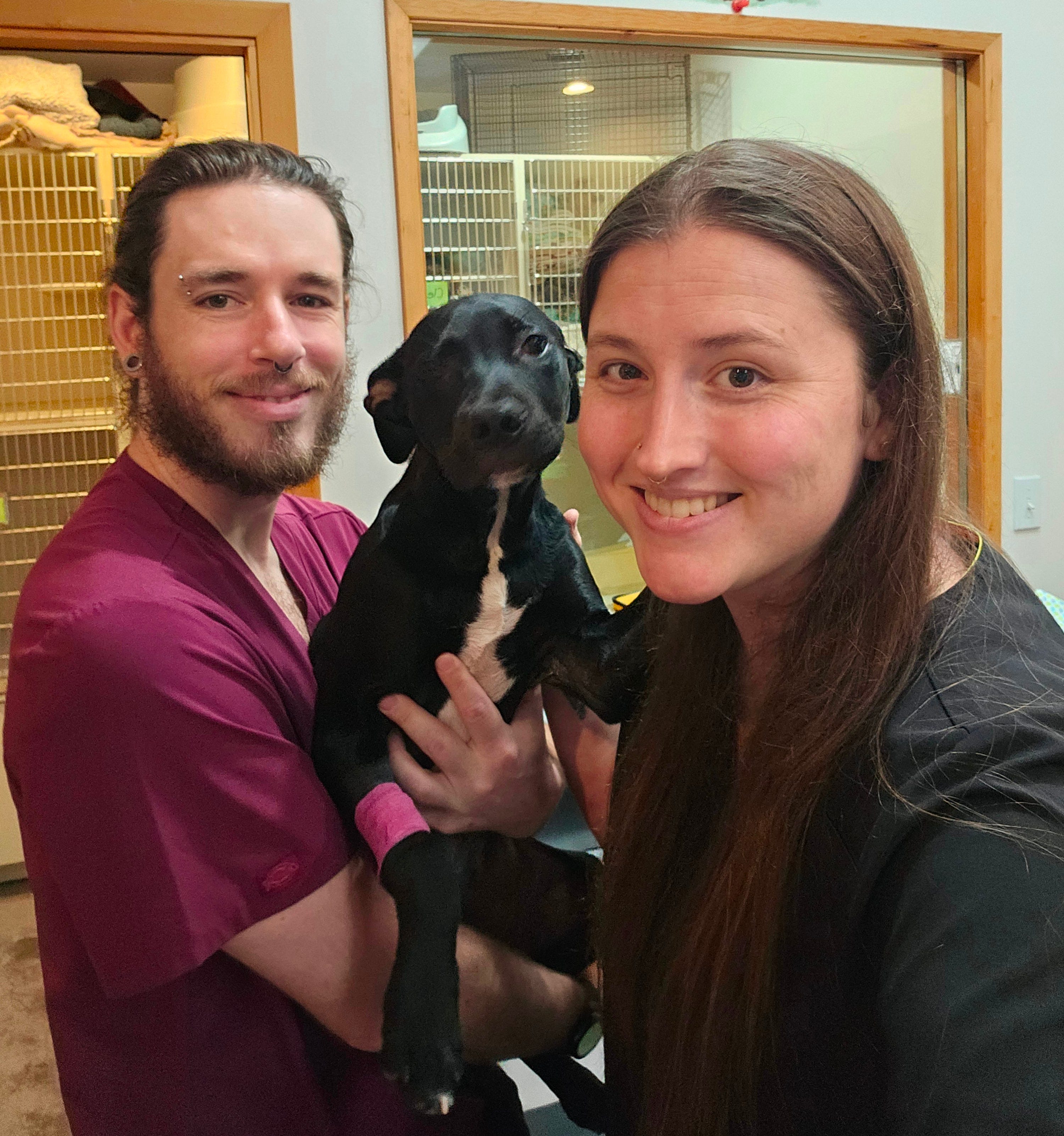
What advice does Amanda have for another woman with a big, maybe scary, dream who isn’t sure how or where to start?
You can do it. You will find plenty of people who will tell you why you can’t do something or how you will fail. But look for the people who will tell you how you can succeed. Surround yourself with love, light, and a community of people who believe in you.
You have the power to change your life; don’t let your employer/friends/family/society tell you that you can’t. It took a lot of effort, therapy, and searching, but now I’m able to regularly put positive intentions into the universe and try not to worry so much about when/how it will all work out.
I just keep working every day to do what I can to keep moving in the direction of my dreams/goals. It may take longer than you’d hoped, but sometimes you may be surprised by opportunities that fall into your lap - take them when they come.
What changes does Amanda hope to see systemically in the field of veterinary medicine? And how can we be a part of this change?
I would love to see veterinary medicine reclaim the heart and soul that used to be present in the small practices I worked in before I became a vet. Most of us get into this profession because we are passionate about it, and it fills our cup to care for those in need. But then we can easily find ourselves trapped in a corporate medicine mill, where we feel used and empty at the end of a day rather than fulfilled and proud.
I truly believe that private practices are making a comeback - locally I am seeing this happen in my area. I’m not saying it is impossible for a corporate practice to be a good place to work, but I don’t think they are able to embody the soul that a private practice can (for the staff and the clients). As a veterinary professional, consider taking a chance on a private practice (I know, sometimes financially or geographically it isn’t possible). If you see a need in your community, maybe consider what it would look like to fill it yourself.
In one word, what does she hope her legacy will be?
Compassion
And her final message to fellow veterinarians needing some encouragement and hope:
For the veterinarians out there struggling with their mental health, feeling that they are trapped in a job that has failed them, that you worked your entire life to become a vet only to realize it was nothing like you had dreamed: Don’t give up.
There was a time early on in my career that I almost let myself succumb to the burnout, the anxiety, depression, and fear that there was no “better”. I was so lucky to have people around me to urge me to get help, but it is the hardest time to get help when you need it the most. Please reach out to those around you and accept the help. My life is now full of so much gratitude, love, and light that I wasn’t able to see as a possibility when I was living in the dark.
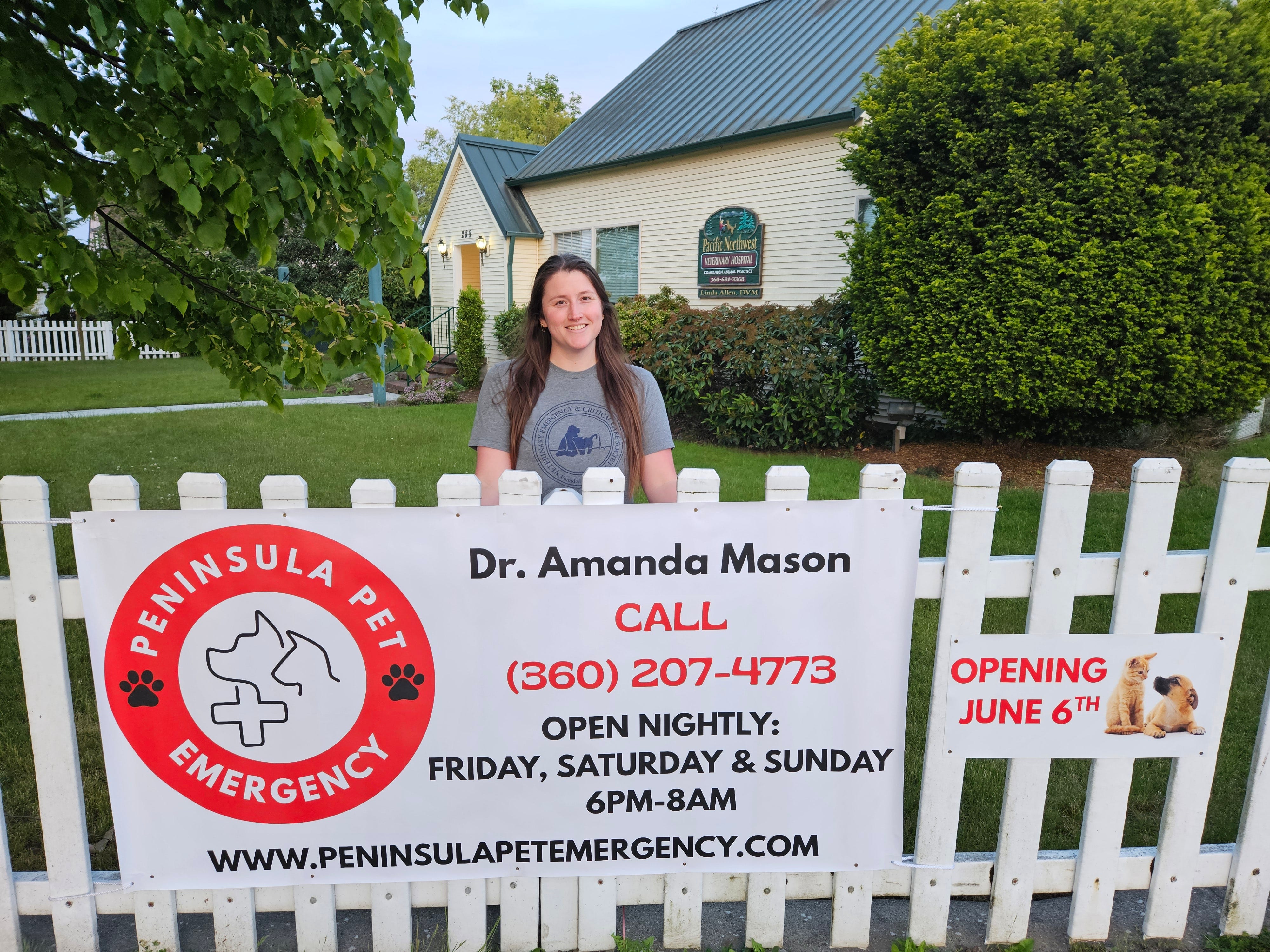
And if you want to follow Amanda’s journey (or if you live locally with a pet in need), you can find her through the links below:
www.peninsulapetemergency.com is our website
Our Facebook page is where we post updates about special hours and new happenings with the hospital. If you live in the area or have family/friends who do - please share!
Thank you, Amanda!
I hope we have convinced you today that the courage to change is a worthwhile pursuit. My parting question for you today is: what might open up in your life if you embrace the courage to change?